
Table of Contents
ToggleAtlanta’s humid subtropical climate and the region’s diverse architectural styles, from 1920s bungalows to modern condos, mean that bathroom renovation in Atlanta requires more than just picking pretty tiles. You’re dealing with moisture concerns, potential code variations across jurisdictions, and the reality that a good bathroom makeover adds serious value to your home while improving daily life. Whether you’re fixing a cosmetic eyesore or tackling structural issues behind that cracked tile, planning matters. This guide walks you through the entire process: setting a realistic budget, hiring the right professionals, choosing styles that work in Atlanta’s climate, selecting durable fixtures, and navigating the permit process. Skip the fluff, here’s what actually works.
Key Takeaways
- Bathroom renovation in Atlanta ranges from $3,000–$8,000 for cosmetic updates to $25,000–$50,000+ for full gut renovations, depending on your neighborhood and scope.
- Prioritize moisture-resistant materials like porcelain tile, waterproof drywall, and proper grout sealing to combat Atlanta’s humid subtropical climate and prevent mold damage.
- Vet contractors carefully by asking for references, getting three quotes, and verifying credentials on HomeAdvisor and Angi—avoid those demanding full upfront payment or avoiding written estimates.
- Plan for 8–12 weeks total from design through completion, including 2–4 weeks for the permit process, which is essential to avoid insurance and resale complications.
- Invest in quality fixtures and hardware like mid-range brass faucets ($100–$250) and solid toilets ($150–$300) that withstand humid climates better than cheap alternatives.
- Set aside a 15–20% contingency fund for unexpected issues like hidden mold or rotted framing that commonly emerge during bathroom renovation projects.
Understanding Your Bathroom Renovation Needs And Budget
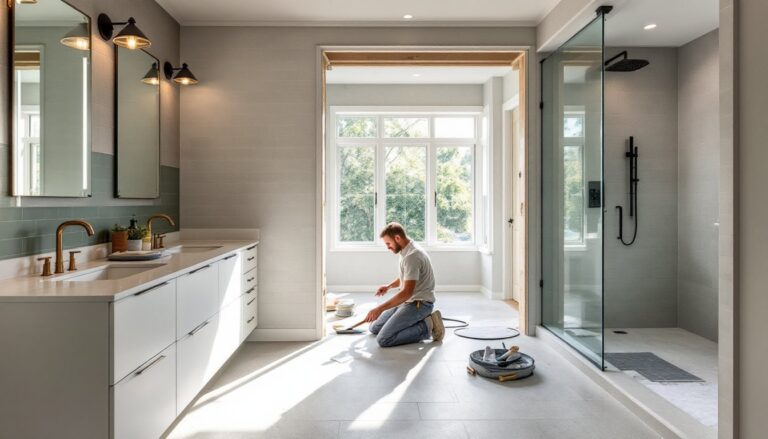
Start by deciding whether you’re doing a cosmetic refresh or a gut renovation. A cosmetic project, new paint, fixtures, hardware, and lighting, typically runs $3,000–$8,000 for an average bathroom. A semi-major renovation (new flooring, vanity, some plumbing work) lands at $8,000–$20,000. A full gut renovation with structural changes, relocated plumbing, and new systems can easily exceed $25,000–$50,000+. Atlanta’s market varies by neighborhood: Buckhead and midtown rates differ from outlying suburbs.
Before you budget, walk through your bathroom with a notepad. What’s actually broken or dated? Is the toilet running constantly, or are you just tired of the color? Are the tiles cracked or just outdated? This separates needs from wants. Write down which items are functional failures versus style preferences. Next, research material costs for Atlanta contractors. Tile prices, plumbing fixtures, and labor rates fluctuate, so get three quotes from different professionals. Don’t anchor to one number, get local, current data.
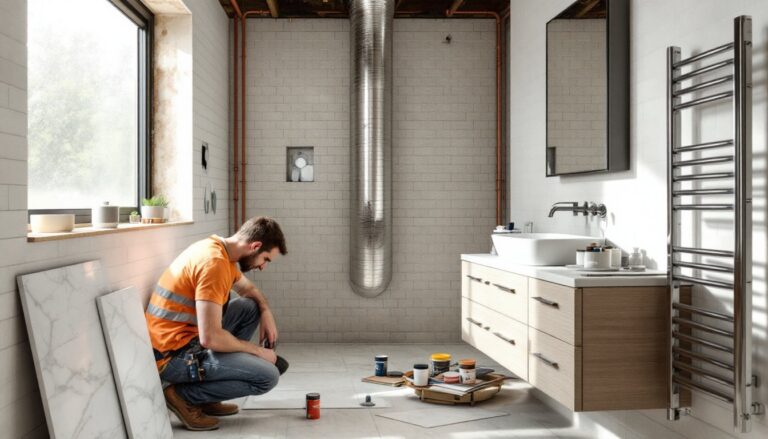
Set a contingency fund of 15–20% above your estimated total. Bathrooms hide surprises: hidden mold, rotted framing behind walls, or plumbing issues discovered mid-project. A $10,000 project suddenly needs $12,000 when you open up that wall. You can use a home renovation loan to transform your bathroom if your savings fall short, which many Atlanta homeowners do for substantial projects.
Finding The Right Contractors And Designers In Atlanta
Atlanta’s contractor market is competitive, which is good for you if you vet carefully. Start by asking neighbors, friends, or family who’ve recently renovated, word-of-mouth from people you trust beats anonymous reviews every time. Cross-check those names on platforms like HomeAdvisor and Angi, which list top-rated bathroom remodel professionals in Atlanta, GA with verified customer feedback.
When narrowing your list, ask each contractor for references, and actually call them. Ask: Did they finish on time? Was communication clear? Did they handle unexpected issues professionally? Did they clean up daily? Red flags include contractors who want full payment upfront, avoid written estimates, or pressure you to decide immediately.
For design help, you have options. Some contractors include design consultation: others partner with interior designers. If your budget allows, hiring a designer for the concept phase (before construction) often saves money and prevents costly mid-project changes. They know which materials hold up in Atlanta’s humidity, what’s in stock locally, and current code requirements. Home renovation services near you often bundle design and build, simplifying communication.
Design Trends And Styles For Modern Atlanta Bathrooms
Atlanta bathrooms in 2026 favor functionality over fad. Neutral palettes (soft grays, whites, warm taupes) dominate because they age well and appeal to future buyers. That said, accent walls with tile or wallpaper still work, just choose patterns or colors you won’t tire of in three years.
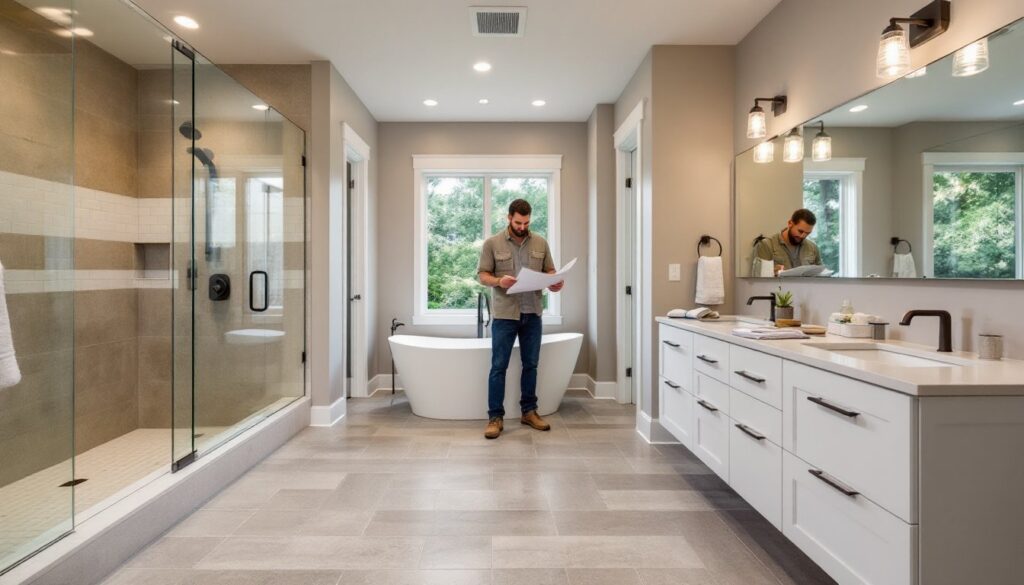
Moisture control is non-negotiable here. High humidity means mold is always waiting. Choose materials wisely: porcelain tile outperforms ceramic for flooring (harder, less porous): waterproof drywall (green board or cement board) behind tile is essential, not optional. Avoid cheap vinyl flooring in bathrooms: it warps and tears under humidity. Luxury vinyl plank (LVP) is more durable if budget-conscious, but porcelain tile is the gold standard in Atlanta bathrooms.
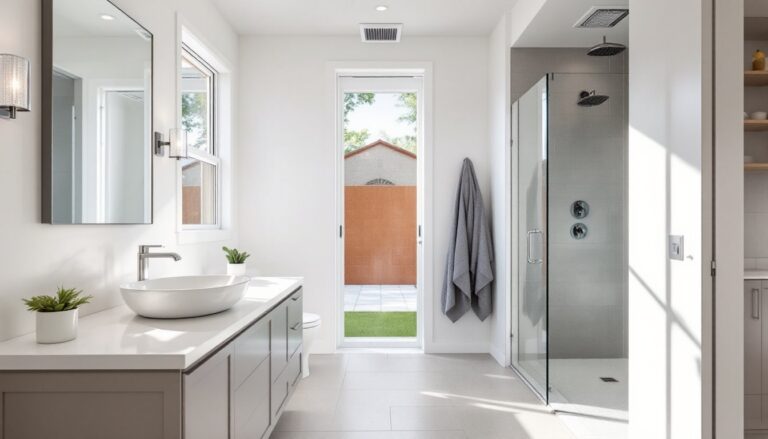
Walk-in showers with frameless glass enclosures remain popular. They look modern, are easier to clean, and suit small bathrooms. Matte-finish black fixtures are trending but avoid if you prefer lower-maintenance finishes (they show water spots). Floating vanities continue strong, they open up floor space and make cleaning easier. If you want timeless style, think classic subway tile, contrasting grout, and simple hardware.
Essential Upgrades: Fixtures, Flooring, And Lighting
Selecting Quality Fixtures And Hardware
Don’t cheap out on the toilet. A quality unit with a solid 3-inch flush valve costs $150–$300 but lasts 15+ years with minimal issues. Budget units fail sooner and frustrate you daily. Same logic applies to faucets: mid-range brass or stainless steel ($100–$250) beats cheap chrome, which corrodes faster in humid climates.
Flooring deserves equal attention. Porcelain tile rated for floor use (check the rating, not all tiles are rated for flooring) runs $1.50–$5 per square foot. Mosaic tiles add visual interest but mean more grout lines to maintain and more opportunities for mold if grout isn’t sealed properly. Budget time and cost for grout sealing, it’s essential in Atlanta’s climate. Proper underlayment matters too: failing to use waterproof underlayment under flooring is a fast path to water damage and mold.
Lighting changes the feel dramatically. Recessed lighting is standard but can feel cold without supplementary fixtures. A vanity light strip (LED, dimmable) above the mirror is practical for grooming. Consider a small ceiling fixture for ambient light. Exhaust fans deserve attention: 80–100 CFM (cubic feet per minute) is standard, but oversize slightly if you have a large bathroom or poor ventilation. Run it for at least 20 minutes after showers to manage humidity. Look for Energy Star-rated fixtures to save on electricity. Don’t underestimate the impact of mirror placement and lighting, good lighting makes a small bathroom feel bigger.
Navigating Permits And Timeline Expectations
Atlanta-area bathroom renovations almost always need permits if you’re touching plumbing, electrical, or structural elements. Many DIYers skip permits to save money, don’t. Unpermitted work can create problems when you sell your home, cause insurance claim denials, or require expensive fixes if discovered by inspectors. Permit costs for a bathroom typically run $150–$500 depending on scope: it’s worth the peace of mind.
The permit process in Atlanta varies slightly by jurisdiction (city of Atlanta, Fulton County, etc.), but generally: submit plans, pay fees, pass inspections at framing, rough plumbing, electrical, and final stages. This adds 2–4 weeks to your timeline. A typical bathroom renovation takes 3–6 weeks once work begins, but add prep time (design, permitting, material ordering) of 4–8 weeks before a hammer swings. Plan for 8–12 weeks total from initial planning to completion. Expect daily noise, limited water access during plumbing work, and temporary dust.
Delays happen. Material shortages, unexpected structural issues, or weather can push timelines. Discuss contingencies with your contractor upfront. A detailed contract specifies start and end dates, milestone payments tied to project phases (not lump sums upfront), and change order procedures for additions or unexpected costs. Home renovation cost guides and timelines help set realistic expectations and compare your project against similar renovations in your area.
Conclusion
Bathroom renovation in Atlanta is manageable when you plan systematically. Know your needs versus wants, budget realistically with contingency, hire vetted professionals, design for Atlanta’s climate, choose durable fixtures and materials, and handle permits properly. This isn’t a sprint, it’s a three- to four-month process. The payoff is a functional, beautiful space that adds value and improves your daily routine. Start planning now.