

Table of Contents
ToggleA bathroom renovation can transform one of your home’s most-used spaces from outdated and cramped into a functional, spa-like retreat. In London, where period properties sit alongside modern builds, bathroom renovation projects come with unique challenges, from navigating older plumbing systems to respecting listed-building restrictions. Whether you’re overhauling a Victorian-era bathroom or refreshing a 1970s suite, understanding costs, timelines, and the permit landscape upfront helps you avoid costly surprises and stay on budget. This guide walks you through planning, budgeting, material selection, design optimization, contractor management, and final execution so your bathroom renovation runs smoothly from day one.
Key Takeaways
- A bathroom renovation in London ranges from £3,000 for basic updates to £20,000+ for luxury overhauls, with labor representing 40–60% of total costs and timelines spanning 4–8 weeks for straightforward projects.
- Permit requirements are essential: even cosmetic work may need Building Regulation approval, and listed properties require planning permission, adding 6–12 weeks if approval is needed.
- Material selection significantly impacts durability and budget—ceramic or porcelain tiles (£15–40 per square meter) outlast cheaper options, while quality fixtures with warranties prevent costly failures within 5–10 years.
- Hiring vetted contractors with proper certifications (Gas Safe, Part P registration, public liability insurance) and implementing a formal staged payment schedule protects you from costly mistakes.
- Bathroom renovation success in London depends on avoiding expensive plumbing relocations beyond 1–2 meters, incorporating 10–15% contingency for hidden issues, and prioritizing proper ventilation to prevent mold and water damage.
- A well-executed bathroom renovation boosts property value by 5–10% and delivers lasting satisfaction when you align spending with personal priorities—whether that’s a rainfall shower, enhanced storage, or underfloor heating.
Understanding London Bathroom Renovation Costs & Timeline
Bathroom renovation costs in London vary dramatically depending on scope, materials, and location. A basic refresh, new tiles, fixtures, and paint, might run £3,000 to £7,000. A mid-range gut renovation with new plumbing, electrics, and quality fixtures typically costs £8,000 to £15,000. A luxury overhaul with bespoke tilework, underfloor heating, and high-end sanitaryware can exceed £20,000.
Labor represents 40–60% of your total spend. London tradespeople, plumbers, electricians, tilers, command premium rates, especially in central zones like Westminster and Kensington. Material costs fluctuate with market conditions, so get quotes in writing and confirm lead times, particularly for imported fixtures.
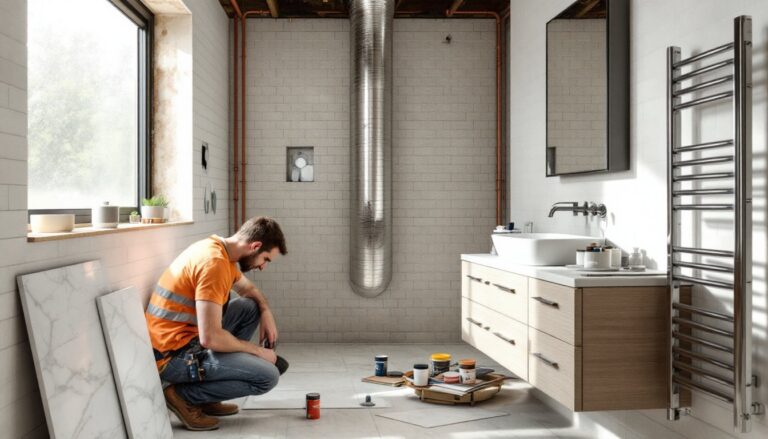
Timeline matters. A straightforward bathroom renovation takes 4–8 weeks from start to finish. Add 2–4 weeks if you hit hidden issues: asbestos tiles, rotted joists behind walls, or plumbing that doesn’t meet current Building Regulations. If your property is listed or in a conservation area, planning approval and specialist requirements can add 6–12 weeks.
Using a Home Renovation Budget template helps you track every expense and catch overspends early. Factor in a 10–15% contingency for unforeseen problems, they almost always appear once walls come down.
Essential Planning Steps Before Starting Your Project
Start with a detailed brief. Measure your bathroom carefully, floor-to-ceiling, wall widths, window/door positions, and sketch the layout at scale. Take photos of existing fixtures, plumbing runs, and electrical outlets. Note any damp patches, cracks, or soft spots in the floor that suggest underlying issues.
Check your property’s history next. Period properties often hide complications: lead paint, asbestos insulation, outdated plumbing vents, or inadequate ventilation. A structural surveyor or experienced bathroom fitter can identify problems before you commit to a timeline.
Permits and approvals are non-negotiable. Even cosmetic bathroom work sometimes requires Building Regulation approval, especially if you’re moving plumbing, installing an extractor fan, or upgrading electrics. Listed properties and conservation-area homes need planning permission for exterior changes and sometimes interior modifications. Ring your Local Authority Building Control office early: processing takes 2–4 weeks.
Assemble your team early. Getting quotes from three experienced contractors prevents costly mistakes and locks in pricing before the project starts. Home Renovation Companies specializing in bathroom work understand London’s stock and can advise on hidden-property quirks. Ask for references, proof of insurance, and written scope-of-work documents before signing anything.
Selecting The Right Materials And Fixtures For Your Space
Material selection balances aesthetics, durability, and budget. For flooring, ceramic or porcelain tiles remain the gold standard, they’re waterproof, durable, and come in endless finishes. Expect to pay £15–40 per square meter for mid-range tiles: luxury options run £60+. Grout matters too: epoxy grout resists moisture better than cement, though it costs more and requires a skilled tiler.
Wall finishes depend on your room. Shower areas absolutely need tiling or waterproof panels, no shortcuts here. Ceramic or porcelain subway tiles are timeless and affordable. Larger-format tiles (600×900 mm) need fewer grout lines, cutting labor and looking cleaner. Outside wet areas, quality paint works fine. Use bathroom-specific silk or satin finish paint (not matte): it resists condensation and wipes clean.
Fixture selection shapes your budget significantly. A basic bath and mixer tap might cost £200–400. Mid-range solutions run £500–1,500. Luxury brands and bespoke options exceed £2,000. Remember: cheap fixtures often leak or fail within 5–10 years. Spend a little more on reputable brands with good warranty coverage.
Ventilation is safety, not luxury. Most UK bathrooms need a mechanical extractor fan running 20 minutes after each shower to prevent mold and rot. Ensure your electrician sizes it correctly, typically 60–100 liters per second for a standard 2×2 m bathroom. Ducting to the outside (not into the loft) prevents condensation elsewhere in your home.
Design Inspiration And Layout Optimization
Layout dictates workflow and cost. Moving plumbing beyond 1–2 meters quadruples expense and complexity. If your existing drain and water supply positions work, keep them. A simple reconfiguration, shifting the basin or swapping the bath position slightly, usually costs £500–2,000 extra. A complete replumb might run £3,000–6,000.
Small bathrooms benefit from vertical thinking. Wall-mounted basins and storage, corner units, and mirrored cabinets maximize usable space without clutter. Larger bathrooms let you spread out: a separate shower enclosure, freestanding bath, and double vanity feel luxurious but require robust plumbing and electrics.
Color and light transform perception. Pale tiles and glossy surfaces bounce light around, making compact bathrooms feel bigger. Darker accent tiles add drama without overwhelming. Lighting layers, a ceiling fitting, mirror lights, and an exhaust fan, ensure safety and ambiance. Use IP65-rated fittings (splash-resistant) in wet zones.
Storage is often an afterthought, don’t let it be. Recessed shelving, vanity drawers, and mirrored cabinets keep clutter hidden and your space feeling calm. Luxury Home Renovation projects sometimes incorporate heated towel rails (around £300–800), underfloor heating (£2,000–4,000 to install), and spa-like showers, but even budget builds benefit from thoughtful organization.
Hiring Contractors And Managing The Renovation Process
Finding the right contractor makes or breaks your project. Ask friends and family for personal recommendations: online platforms like Checkatrade and Which? Trusted Traders list vetted professionals. Interview at least three candidates. Good contractors explain their process, clarify timelines, and offer written quotes breaking down labor and materials.
Verify credentials before hiring. Plumbers should hold Gas Safe or OFTEC certification if touching boiler pipework. Electricians must be Part P registered (or employ a registered electrician). Tilers and general builders should carry public liability insurance (£1 million minimum). Ask for proof and check the register online, it takes two minutes and protects you.
A formal contract protects both parties. It should specify start and end dates, payment schedule (typically staged: deposit, mid-project, completion), scope of work, materials to be used, and how changes are handled. Never pay the full amount upfront: tie payments to completed milestones. A reasonable deposit is 20–30%, not 50%.
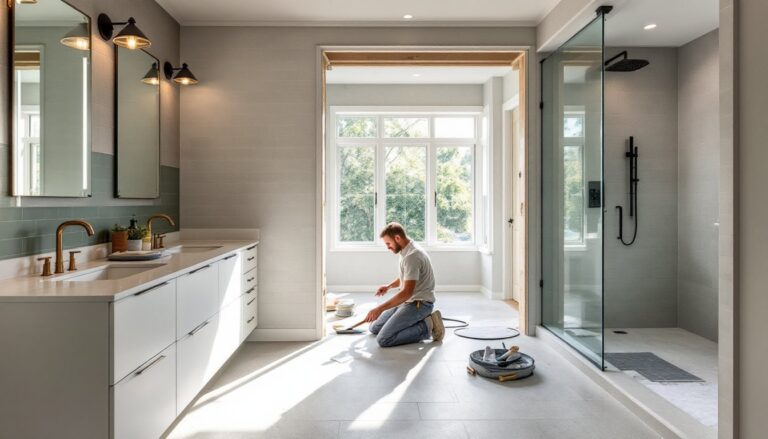
Stay involved without micromanaging. Weekly check-ins keep communication open and catch issues early. Take photos of key stages, before demolition, after plumbing/electrics, final tilework, for your records. If problems arise (unexpected rot, plumbing conflicts, material delays), address them immediately rather than letting them compound. According to major platforms, top-rated bathroom remodelers in London emphasize clear communication as their strongest asset.
Final Touches And Maximizing Your Investment
The final 10% of work, grouting, caulking, painting trim, hanging mirrors and accessories, takes longer than expected but makes the biggest visual difference. Quality grouting (clean, flush, properly sealed) prevents water ingress and staining. Avoid cheap caulk: use silicone or acrylic-latex designed for bathrooms, applied with a wet finger for a professional finish.
Hardware and accessories complete the story. Towel rails, soap dispensers, mirror cabinets, and lighting fixtures should coordinate visually. Brushed stainless steel and matte black finishes are currently trendy and hide fingerprints well. White ceramic or chrome also remain timeless. Budget £300–800 for these finishing details.
Seal and protect your investment immediately after completion. New grout needs 48 hours to cure before water exposure: don’t shower until the tiler confirms it’s ready. Apply grout sealer and silicone sealant in corners to prevent mold. Run your extractor fan during and 20 minutes after every shower, it’s the cheapest insurance against future dampness.
Document everything: take final photos, keep warranties for fixtures and materials, and file your Building Regulations completion certificate safely. A Home Renovation Loan might have funded this upgrade: proper documentation supports future property sales or refinancing. Regular maintenance, cleaning grout, checking caulk, replacing toilet seals every 5–10 years, keeps your bathroom looking and functioning like new for decades.
Conclusion
A well-planned bathroom renovation in London delivers daily satisfaction and boosts property value by 5–10%. Success hinges on honest budgeting, understanding your property’s quirks, hiring skilled tradespeople, and staying involved throughout. Start with clear priorities: what really matters to you, a rainfall shower, natural light, storage, a heated towel rail? Focus spending there and make sensible compromises elsewhere. With realistic timelines, contingency funds, and a solid contractor team, your bathroom transforms from a functional necessity into a personal sanctuary.