


Table of Contents
ToggleBathroom renovations rank among the most rewarding home improvement projects, and also among the most expensive. Whether you’re eyeing a simple fixture upgrade or a complete overhaul, understanding bathroom renovation costs is crucial before breaking ground. In 2026, renovation budgets vary dramatically based on scope, materials, and location. A modest refresh might run $3,000–$5,000, while a full-scale luxury renovation can exceed $25,000. This guide walks you through realistic pricing, the major cost drivers, and straightforward strategies to maximize your budget without cutting corners on quality or safety.
Key Takeaways
- Bathroom renovation prices range from $3,000–$8,000 for budget updates to $30,000+ for luxury renovations, with mid-range projects ($8,000–$15,000) offering the best value for most homeowners.
- Labor costs typically account for 40–60% of your total bathroom renovation expense, making it critical to prioritize licensed professionals for plumbing and electrical work while tackling demo and painting yourself.
- Regional variations, bathroom size, and material choices dramatically impact pricing—marble and porcelain tile cost 2–4 times more per square foot than basic ceramic, and urban labor rates run 20–40% higher than rural areas.
- Always budget a 10–15% contingency for hidden surprises like water damage or structural issues, which can add $2,000–$5,000 in emergency repairs if discovered mid-project.
- Save thousands by keeping plumbing and electrical fixtures in place, choosing mid-grade materials over trendy finishes, and purchasing materials during off-season sales rather than peak renovation months.
Average Bathroom Renovation Costs By Scope
Budget, Mid-Range, And Luxury Renovations
Bathroom renovation costs fall into three broad categories, each reflecting the depth of work and material quality.
Budget renovations ($3,000–$8,000) focus on cosmetic updates: repainting, replacing fixtures, installing new flooring, or upgrading the vanity. You’re keeping the existing layout and plumbing/electrical rough-in unchanged. This tier works well if the bones of your bathroom are sound but dated. Expect to do much of the labor yourself or hire a single handyman.
Mid-range renovations ($8,000–$15,000) involve modest structural changes, semi-custom cabinetry, mid-grade tile or vinyl plank flooring, and new lighting or ventilation. You might reconfigure the layout slightly, relocate a vanity, or add a new shower niche. Labor and materials balance out here: you’re using solid materials without premium price tags. This tier represents the sweet spot for most homeowners, noticeable improvement without bleeding the budget dry.
Luxury renovations ($15,000–$30,000+) include high-end finishes, custom cabinetry, natural stone surfaces, heated floor systems, rainfall showerheads, heated mirrors, or underfloor radiant heating. Layout changes are more ambitious. Marble, granite, or premium tile take center stage. Professional design consultation is common. You’re investing in durability and resale value. A truly bespoke luxury bathroom, especially with marble, teak accents, or smart technology, can push well beyond $30,000.
Key Cost Factors That Impact Your Project Budget
Several variables shift your final bill up or down. The size of your bathroom is foundational: a 40-square-foot powder room costs less to renovate than a 100-square-foot master bath with a double vanity and separate shower enclosure. Regional labor rates matter enormously, bathroom work in urban centers runs 20–40% higher than suburban or rural areas. Material choices multiply costs quickly: basic ceramic tile runs $2–$5 per square foot installed, while marble or porcelain can hit $10–$20+ per square foot.
Plumbing and electrical complexity adds hidden expenses. Moving a toilet, relocating the shower drain, or upgrading to larger water lines requires a licensed plumber and often a permit. Similarly, adding recessed lighting, installing a heated mirror, or wiring a ventilation fan demands a licensed electrician. Structural work, removing walls, reinforcing joists, fixing water damage in the subfloor, balloons costs rapidly and may trigger building code reviews.
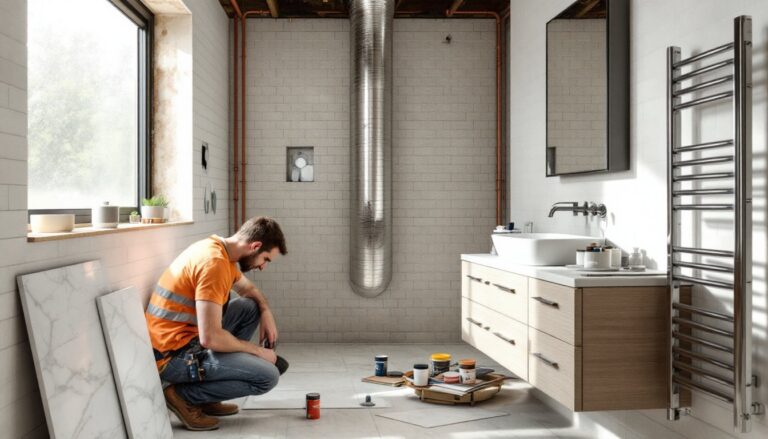
Your bathroom’s current condition is crucial. A bathroom with stable walls, intact framing, and no mold or rot requires far less work than one with hidden water damage. Discovering rot behind tile mid-project can add $2,000–$5,000 in emergency repairs. Always budget a 10–15% contingency for surprises. Using a Home Renovation Calculator can help you estimate these variables upfront and adjust for your specific situation.
Breaking Down Bathroom Renovation Expenses
Labor, Materials, And Permits
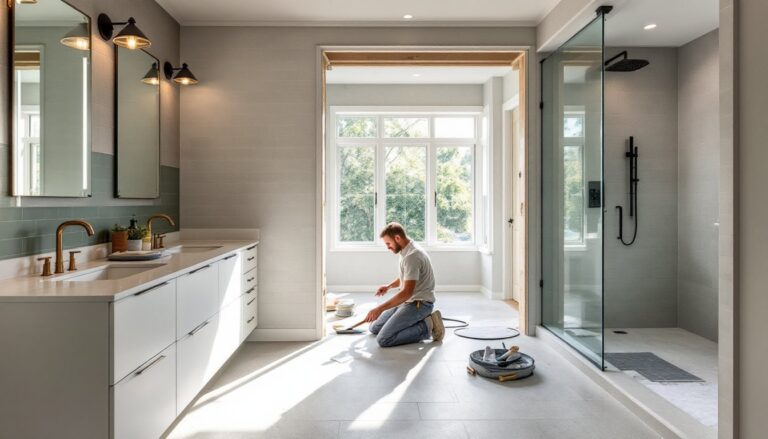
Labor typically accounts for 40–60% of your total cost. A skilled bathroom contractor charges $50–$150+ per hour depending on location and experience. A full bathroom renovation takes 3–6 weeks: a smaller refresh might be 1–2 weeks. If you’re doing demo and basic painting yourself, you’ll cut labor costs significantly. But, plumbing, electrical, and tile work demand licensed professionals in most jurisdictions, trying to save money here often costs more in corrections.
Materials break down across several categories:
- Fixtures (toilet, sink, faucet, shower valve): $500–$2,500 depending on brand and finish
- Tile or flooring: $1,500–$4,000 for materials alone: installation adds 50–100% more
- Cabinetry and vanity: $800–$3,500 (stock vs. semi-custom vs. full custom)
- Paint, mirrors, hardware: $200–$600
- Lighting and ventilation: $300–$800
Permits and inspections are often overlooked but essential. Most jurisdictions require permits for plumbing, electrical, and structural work. Permits cost $100–$500 depending on scope and location: inspection fees add another $100–$300. Skipping permits invites fines, delays on home sales, and voids insurance claims if something goes wrong.
Tile and paint are the biggest material expenses for most DIYers. A Bathroom Remodel Cost Estimator tool can help you price specific materials and labor in your area, factoring in local supply chain issues and seasonal fluctuations.
Money-Saving Strategies For Your Renovation
Smart choices trim costs without sacrificing function or durability. Keep plumbing and electrical in place if possible. Moving a toilet or shower drain forces new rough-in work, adding $500–$1,500. If your current layout functions, a cosmetic refresh delivers high impact for lower cost.
Choose materials strategically. Porcelain tile mimics stone at a fraction of the cost and outperforms ceramic in moisture resistance. Vinyl plank flooring resists water better than laminate and costs less than natural wood. Mid-grade fixtures from reputable brands (not bargain-basement, but not designer) offer reliability and decent resale value. Avoid trendy finishes that date quickly: neutral palettes (white, gray, soft blue) maintain appeal longer.
Do what you can yourself. Demolition, painting, and fixture installation (faucets, mirrors, shelving) are achievable for handy homeowners. Rent a dumpster, wear proper PPE, especially a respirator when demo work creates dust, and watch YouTube tutorials or read manufacturer instructions closely. This alone can save $2,000–$4,000 in labor.
Buy materials during sales or off-season. Spring and summer see peak demand: winter and early spring often bring discounts. Stock up on tile, paint, and fixtures when prices dip. Negotiate with contractors on labor if you can be flexible on scheduling: they’d rather book your job in their slow season at a slightly lower rate than leave the crew idle.
Use online cost guides responsibly. Platforms like HomeAdvisor and Angi offer ballpark estimates and connect you with vetted contractors. Get three quotes, not one. Compare scope carefully, a cheap quote that excludes permitting or electrical work will hurt you later. A Home Renovation Budget Template also helps you track every expense line item and spot cost creep early. Finally, consider financing: a Home Renovation Loan can spread payments over time without derailing your monthly budget, especially if your bathroom work boosts property value.
Conclusion
Bathroom renovations in 2026 range from $3,000 for basic updates to $30,000+ for luxury finishes. Real costs depend on scope, materials, labor rates in your area, and hidden surprises. Size your budget realistically, add a 10–15% cushion for the unexpected, and don’t skip permits or licensed work. Small choices, keeping fixtures in place, selecting durable mid-range materials, and handling demo yourself, stack up to meaningful savings. Plan thoughtfully, get multiple quotes, and you’ll end up with a functional, beautiful bathroom that feels like money well spent.